The Battery Trail (U.S. lost its way starting own backyard)
By JTC Energy Insights
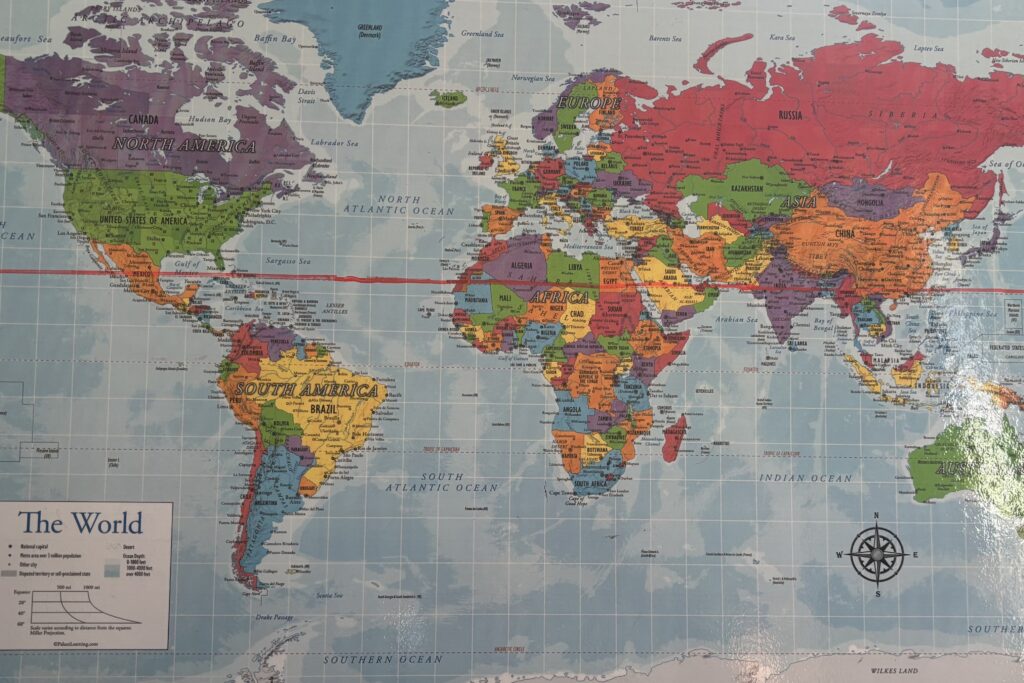
The Cart Before the Horse (On Purpose): How China Bought South America While We Slept
Most logistics strategies follow a simple pattern: build the road, then hope the trade follows. In Latin & South America, China flipped the script. They didn’t start with the logistics; they started with the cargo.
Let’s be clear on the timeline: the new deep-water port in Chancay, Peru, isn’t a gamble. It is the final piece of a puzzle China solved nearly a decade ago.
The Acquisition Window (2013–2018) Between the launch of the Belt and Road Initiative (BRI) in 2013 and 2018, Beijing executed a textbook acquisition strategy. They spent five years quietly locking down the resources before they ever poured the concrete for the exit route.
They secured the “Copper Triangle” across Bolivia, Peru, and Chile, and bought their way into the heart of the Lithium Triangle.
- Peru (2014): A Chinese consortium led by MMG dropped $7 billion to buy Las Bambas, one of the world’s largest copper mines. They didn’t find it; they bought it ready-made.
- Chile (2018): Tianqi Lithium purchased a $4 billion stake in SQM, effectively buying a seat on the board of the world’s premier lithium supplier.
The American Nap: Isolated in the Andes While China was playing this state-aligned acquisition game, Corporate America was largely asleep. The U.S. mining sector has been content to sit on legacy assets.
You have Albemarle in Chile—arguably the solitary U.S. giant standing its ground. But consider their reality: they are extracting lithium 10,000 feet up in the Andes. To get that product to the Pacific, they have to move it through a logistics network that is increasingly slipping into Chinese control.
China isn’t just buying the mines; they are buying and refurbishing the ports and terminals to handle the massive amount of cargo and vessels required to move it. They are widening the funnel while we are still trying to find the entrance. Even where we do own the mine, we are forced to pay a toll to our biggest competitor just to move the product.
The Panama Twist: Owning Both Doors If you think the U.S. still controls the choke points, look closer at the Panama Canal. While the canal is Panamanian, the ports that act as the turnstiles are not.
Hutchison Ports (based in Hong Kong) operates the port of Balboa on the Pacific side and Cristobal on the Atlantic side. China effectively holds the keys to both the entrance and the exit of the most critical waterway in the Western Hemisphere.
A Note on the Giant You’ll notice we haven’t touched on Brazil yet. That is intentional. As for Brazil—South America’s largest and deepest-pocketed player—that is a “China Inc.” story unto itself. It goes far beyond just mining; it’s about the grid, the food supply, and the oil. It is too massive to summarize here, so we are dedicating a future edition of JTC Energy entirely to that takeover.
The African “Win” (That Isn’t Ours) To understand the difference in strategy, look at the Lobito Corridor in Angola. The West calls this a victory—a refurbished railway connecting the mineral-rich DRC to the Atlantic Ocean.
But let’s look at the cargo manifest. There is no active American mine feeding that line. The “Western” copper moving on those tracks belongs to Ivanhoe Mines—a Canadian company. The U.S. provided the financing for the rails, but we don’t own the rock. We paid for the plumbing, but the water belongs to someone else.
The Verdict In Africa, we built a very nice back door for other people’s cargo. In South America, China bought the house.
Next Stop on The Battery Trail: We cross the Atlantic to Africa, where the infrastructure is being rebuilt. But while a trickle now flows West, make no mistake: The Trail heads East towards China.
